
Learning from Fellowship stories
NTU Festive Fellowship was the spirit this December and this meant a series of workshops for NTU colleagues developing their fellowship claims. As part of the session we asked fellow Fellows to join us to tell their Fellowship Story. So, what did we learn?
Story #1
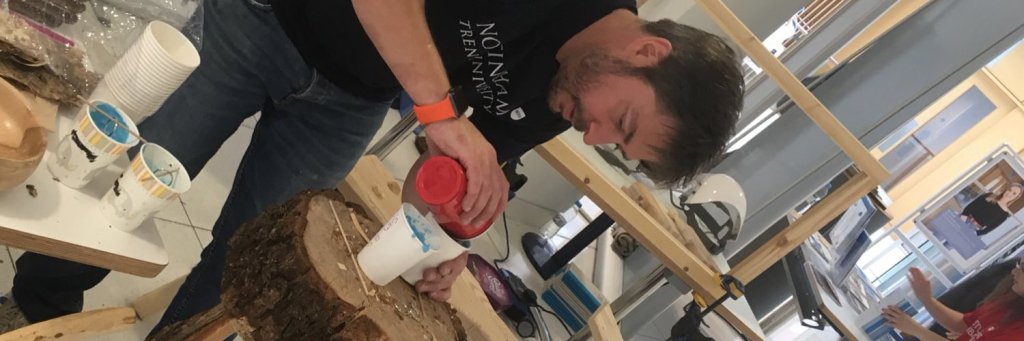
Kerry Truman is a Technical Team Leader in the School of Architecture, Design and Built Environment @kerry_truman
Kerry admits he is inherently curious and pushes his teaching practice to new places but he also admits that as a technician he didn’t know if Fellowship was the right path for him. Something we are finding at NTU is that more and more “non traditional” submissions are coming through and Kerry’s was one of them. With his Senior Fellowship in the bag, Kerry shared his thoughts about how best to progress a submission. Kerry talked about making sure that you don’t lose your voice as you write and to ‘be you’. One method Kerry found useful was working with a critical friend to read and talk through your submission. Kerry shared that he found it very hard to get things down on paper so he gained a lot from having a conversation with a colleague who helped him get his ideas in order and onto paper. Using that ‘Critical Friend’ can be so useful in organising your practice into a format that a reviewer can navigate. Sometimes you know what you are doing but putting it into writing can be hard!
Story #2

Michael McCann is a Lecturer in Economics
Michael gained his senior fellowship earlier this year. For his SFHEA claim Michael demonstrated how he successfully embedded Bloomberg Trading Room into his classroom as a way to improve engagement and attendance. His message to colleagues developing their fellowship claim was very clear. Talk about what you did. The ‘I’ is so important in a submission and you need to shout about your input and impact. It is a bit like defining your DNA fingerprint on the educational initiative.
We are always telling people to leave their modesty at the door and it’s so true! An interesting point that Michael made was in regard to how to structure your submission. He suggested that people consider what the reviewer needs to know first. What case study is going to draw the reviewer in and make them quickly understand your practice? We always talk about ensuring you set the context in which you work and making it clear to the reviewer what you do.
The final learning point that we can take from Michael’s story is the power of reflective practice. Reflection is an area that Michael is very passionate about and he admitted that before applying for Fellow he didn’t reflect as much as he does now. Reflection is such an important part of your teaching and learning journey. Too often do academics not take the time to sit and reflect on what is working and what is not. It’s a key tool to use and can be done through official channels such as Module reports and EVASYS or on a more unofficial basis in terms of temperature checks throughout the year.
Story #3
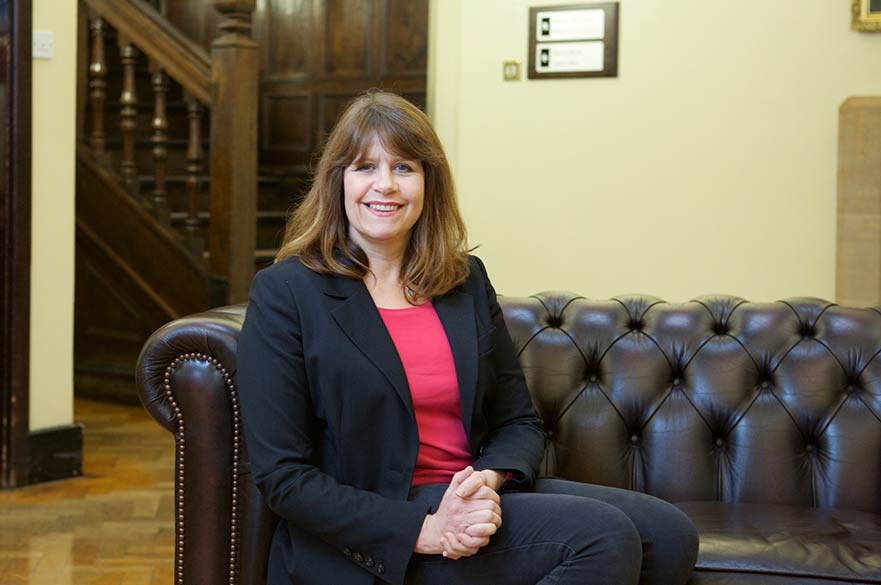
Julia Davies is Head of Environmental Science
Julia’s story helped colleagues focus on a range of ideas and methods for collating a fellowship claim. She talked about the importance of collecting evidence from everywhere. We often talk about being more magpie in our sessions (thanks to @beckmccarter for that analogy). Keep everything and anything that can be used to show impact and evidence. Julia encouraged people to get involved with new initiatives in the university. This will help you to develop in your role and give more scope for your case studies. It’s so important to take on new challenges and keep things fresh. This can open up so many doors and can help you take the next step in your Fellowship journey.
And now a round of thanks:
Thank you to Julia, Michael and Kerry for sharing their fellowship experiences and lifting the curtain on their learning and teaching practice. Thank you to NTU colleagues who joined us for NTU Festive Fellowship sessions and opening the door on our advent calendar. Thank you to our scheme reviewers and NTU colleagues who have agreed to act as Fellowship Champions.
Remember to book your place for the Fellowship workshops for 2020 and make a fellowship claim!

 NTU Fellowship Community