

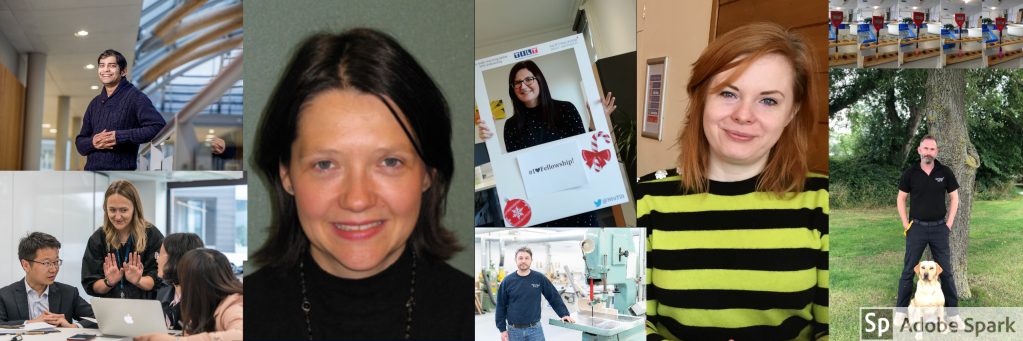
Applying for HEA Fellowship through the NTU Professional Recognition Scheme is about making sure you can evidence how your practice is making a difference to learning and teaching and gaining recognition for your work. And this isn’t just for lecturers. We have a large Fellowship community at NTU with over 1,300 Fellows working across different schools, disciplines and roles. Lots of NTU colleagues have been awarded Fellowship from their work within roles as technicians, employability consultants, researchers, educational developers and student support colleagues.
Sometimes it’s hard to see your claim to Fellowship. So, we thought we’d share some recent examples of colleagues who have achieved Fellowship status from a range of different roles to highlight this diversity and encourage you to join the NTU Fellowship community.
Meet the Associate Fellows
Associate Fellow is the appropriate category for individuals who have a narrow scope of practice in learning and teaching (i.e. their experience and evidence represents a limited number of the areas of activity on the UKPSF). Often associate fellows are individuals starting out their academic career and are new to teaching or they are undertaking supporting roles.
Katie Longsdale (AFHEA), Science Technician
Katie submitted case studies about her achievements supporting lecturers in the Secondary Science Education team for Initial Teacher Training which helps prepare trainee teachers for careers in Secondary Science Education.
Katie’s case studies discussed how she applies her professional knowledge to help students consider how they might develop practical science lessons within the school environment. Katie told the story of how she works with initial teacher training students using role modelling and demonstrations in preparation for these students entering their teaching careers.
Laura Stinson (AFHEA), Academic Practice Advisor
Laura works within the Academic Practice Team and helps other colleagues develop their submissions. Laura focused her claim on the mentoring work she had undertaken with placement students and supporting them to develop their employability skills through volunteering opportunities with local secondary schools. This was before Laura joined NTU, but this is still valid when making a Fellowship claim.
Richard Plant (AFHEA), Technical Team Leader (Animal), School of Animal Rural and Environmental Sciences
Richard’s case studies referred to the use of multimedia within demonstrations that support students learning how to handle animals. Richard shared with the reviewers the variety of ways he sets up the classroom to enable more collaborative and peer learning. Importantly, Richard also presented that he had received very positive feedback from students about his approach.
Meet the Fellows
The category of Fellow describes someone who has a broad understanding of learning and teaching and can demonstrate all areas of activity. This can be evidenced even if the individual isn’t in a lecturing role.
Ellie Howitt (FHEA), Learning Designer
Ellie was awarded FHEA based on one of her case studies referring to her work designing and delivering SCALE-UP induction sessions for academic, support and professional NTU staff. This practice was not linked to them directly working with students; however, their work was influencing the practice of those who would then go on to deliver SCALE-UP sessions to students.
Rish Baruah (FHEA), Career Consultant
Rish achieved his Fellowship by presenting his work designing and planning learning interactions to improve NTU students’ employability skills. Rish’s submission discusses his use of activities such as a CV card sort to help students consider appropriate language and phrases. Rish also presented his use of social media and blogging as a means of engagement with students with the impact being demonstrated through web analytics.
Meet the Senior Fellows
Senior Fellow is awarded to individuals with evidence of sustained effectiveness in learning and teaching. Case studies for this category must also highlight how an individual has influenced the practice of others to improve the learner experience.
Vanessa Dodd, (SFHEA), Educational Research and Evaluation Specialist
Alongside her international teaching experience, Vanessa presented evidence of how leading an educational research project was influencing the academic practice at NTU and the wider HE sector. Vanessa’s research into the value and experience of student placements has informed policy development and curriculum design.
Kerry Truman (SFHEA), Technical Team Leader, School of Architecture Design and the Built Environment
Kerry demonstrated his academic leadership through a series of case studies, including how he had redesigned workshop inductions into a virtual experience and how he has established the NTU Maker Club.
Michele Zala (SFHEA), Careers Consultant Team Manager
Michele was awarded Senior Fellow for her work across two HE institutions (NTU and Loughborough University). Michele talked about how she implemented a series of action-based realistic learning simulations/workshops of large Employers Assessment Centres, enabling students from all schools to work together to learn from employers and from peers. Michele also led on a series of bespoke workshops, events and careers interventions for the international student community.
So, you can see that a wide variety of colleagues, all in different roles, have gained recognition for their work in learning and teaching. Congratulations to all the colleagues who have achieved their Fellowship status. Hopefully, we have debunked the theory that Fellowship is just for teaching staff – are you ready to gain recognition?
Visit our NOW Learning Room to find out more. You can also follow our Fellowship conversations on @NTUTilt #NTUwritenow

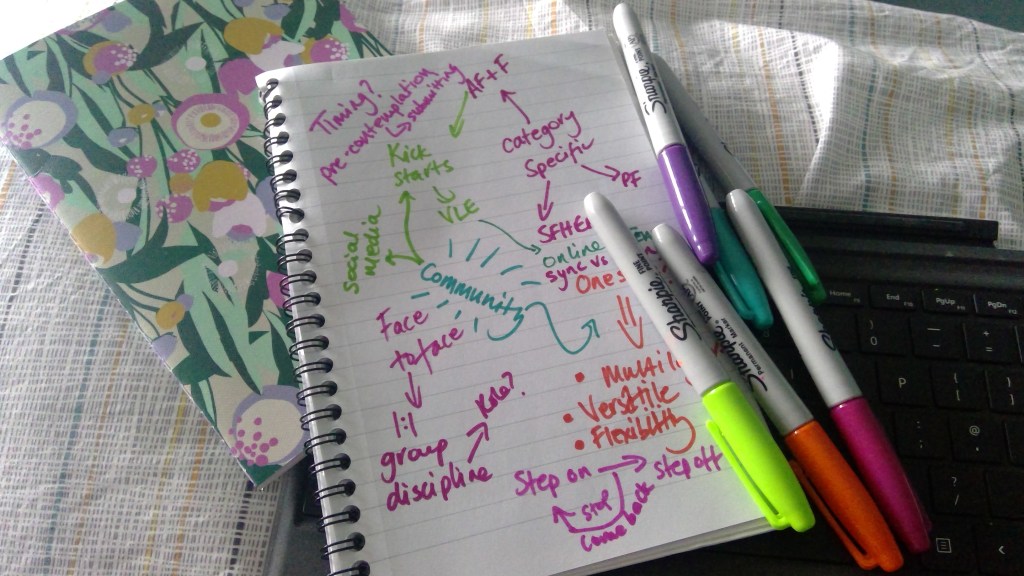


 NTU Fellowship Community